
You know the number that still surprises me. Twenty-three seconds. That’s how long it took a bloke at the Adelaide tram stop to lose his session bankroll on a phone screen last Tuesday. He wasn’t reckless. He was just fluent. The tap to spin pokies mobile AUD habit runs on muscle memory, not maths, and that’s the trap. You think you’re pacing yourself because the reels look friendly. The reels never care about your rent. I’ve spent two decades watching mechanics do their work, and the phone version is the same machine with fewer brakes. You bring the brakes yourself or you don’t.
Where does the budget actually start
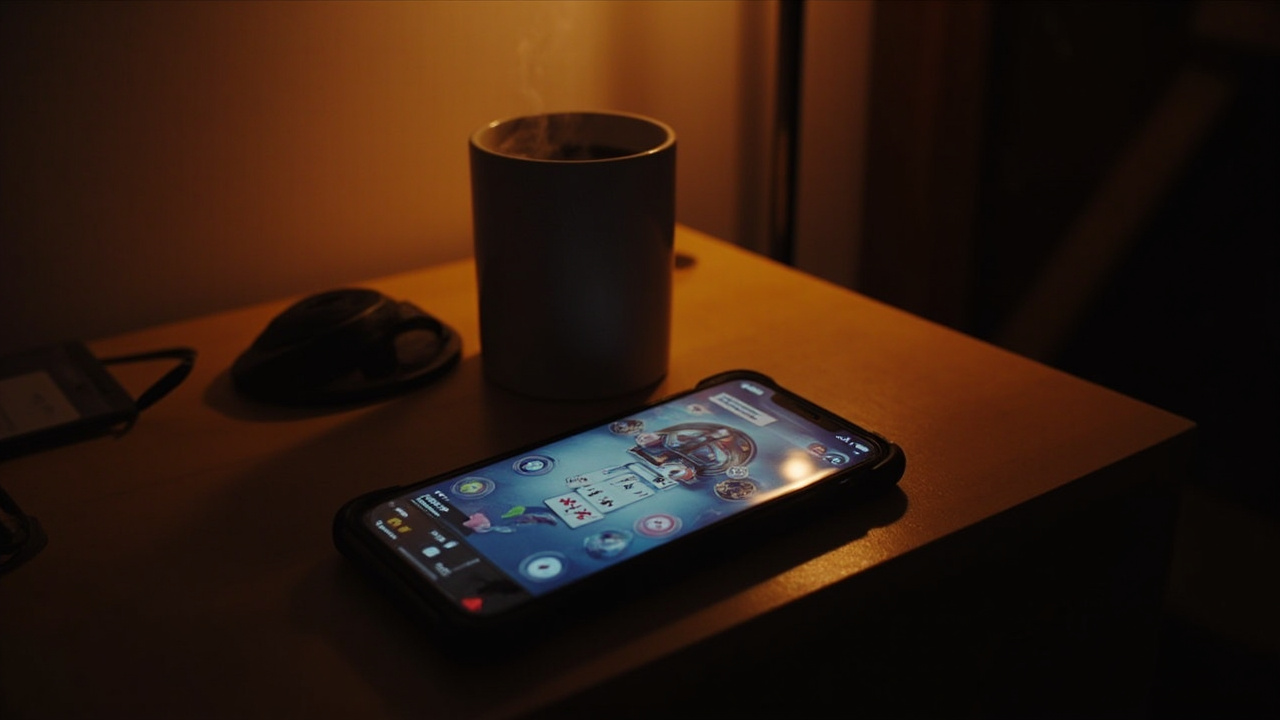
Set the ceiling before your thumb learns the screen. Pick a figure you can lose without muttering at the sky. Say you deposit fifty dollars and treat it like a night at the Adelaide casino with a jacket and a coat check. The coat check matters because you can’t wear the same shirt home if you’ve spent it. Write the number down somewhere physical. A note in your phone gets ignored when the bonus round hits. I learned that the hard way with early non-download builds: players who trusted a mental number always rounded it up by half. The half was always the problem.
Every session needs a stop line, not a wish. Decide the loss limit before you load the lobby. If the limit is fifty, walk away at fifty, not at fifty-one because one more spin feels like a courtesy. Staking should match the ceiling, not the other way around. A flat staking plan keeps the evening readable. You raise the bet size when you’re winning and you lower it when you’re chasing, which is the same discipline I used when we first shipped Megaways. The grid changes, the discipline doesn’t.
What does the phone actually change
The screen shrinks the distance between impulse and action. That’s the whole story. On a desktop you sit back. On a phone you lean in. I watched a woman at the Adelaide Railway Station tap through a whole commute without looking up once. She wasn’t unlucky. She was just frictionless. The phone removes the pause that used to save people. You want that pause back, so build it in. Put the phone face down for ten seconds after every loss streak of five. Ten seconds is enough to remember you’re a punter, not a slot.
The mechanics translate cleanly, which is the good news and the bad news. Clusters, ways, paylines, all of it fits in your pocket, but the fit makes it easy to forget the cost per spin. I judge a mobile pokie by how honestly it shows the bet before you commit. If the bet is buried behind two taps, the game is telling you something. You want the bet on the first screen, plain as a coin. That’s how you keep the session honest. The rest is decoration.
Which bonus actually pays its way
Bonuses look generous until you read the hand. The table below shows what each one usually costs you in practice, not in marketing copy. Read the rows as trade-offs, not perks. A match bonus feels big until the wagering turns it into a treadmill. Free spins look like a gift until the max win caps the whole thing. You pick the one that fits your session, not the one with the loudest headline.
| Bonus type | What it gives you | What it costs you |
|---|---|---|
| Match deposit | Extra chips on your balance | Wagering turns the bonus into a loop |
| Free spins | A handful of plays on one game | Max win often caps the payout |
| Cashback | A slice of losses returned | Usually limited to a short window |
| No deposit perk | A small test balance | Tight limits, quick expiry |
The pattern matters more than the number. I’ve seen punters chase a match bonus across three sessions and forget they started with a loss limit. The cashback option sits better with a disciplined bankroll because it softens the floor without changing the ceiling. If you’re testing the waters, a no deposit perk is a fair way to learn the game without touching your own money. Just don’t mistake a test balance for a strategy. It’s a sample, not a plan.
How do you know when to stop
The stop signal is usually quieter than you think. You feel it when the session stops being a game and starts being a recovery job. That’s your cue. Set a win target as well as a loss limit, and respect both. If you set a target of double your session budget, lock it in before the first spin. You don’t renegotiate a target mid-session because the screen looks kind. The screen is never kind. It’s a machine with a schedule.
Timeframe matters more than most punters admit. A session that runs past an hour usually stops being a session and starts being a habit. I keep a hard clock on my own play, not because I’m fragile, but because fatigue makes bad staking look reasonable. When your thumb starts moving before your brain catches up, you’ve crossed the line. Put the phone down for five minutes. Five minutes is long enough to remember the budget and short enough to come back if you still want to.
What does the law actually mean for you
Australia restricted gambling ads during live sport before certain evening hours to protect children, and that change tells you something about the room you’re playing in. The rules are real, the enforcement is patchy, and the player still carries the weight. Barred or “trespassed” means being formally banned from a casino property, which is the same idea in a different coat. You can be asked to leave a physical floor, and you can be cut off online when a provider decides you’ve crossed a line. The consequence is the same: you don’t get to keep playing there.
The Interactive Gambling Act 2001 and what it means in practice for players is mostly about what operators can offer, not about protecting your bankroll. You’re still the one holding the phone and the loss limit. Read the terms like a contract, because that’s what they are. If a site talks about fairness without showing the rules, treat it like a brochure, not a promise. I’ve always judged a product by whether it tells you the bad news early. The bad news here is that the phone makes it easy to spend, and the law doesn’t sit on your shoulder while you do it.
Where does the rest of the noise fit
The rest of the feed tries to sell you a feeling. A headline about a big win, a clip of a bonus round, a friend’s screenshot after midnight. None of it is your session. Eliza Johnson, Head of Analytics, Coral Coast Interactive, puts it straight: “The data always shows the same thing – players who set a stop line before they tap the first spin keep their evenings intact far longer than the ones who wait for a feeling to tell them to quit.” She’s right, and the feeling usually arrives too late. You want the line in place before the first spin, not after the first loss. plinko official
The wider conversation drifts around the edges. A piece in the Australian Financial Review will argue about advertising and harm reduction while you’re sitting in your kitchen with a phone and a budget. The argument matters, but it doesn’t spin the reels for you. I’ve always thought the best filter is simple: if a mechanic hides the bet, the pace, or the limit, it’s not for a disciplined punter. The good stuff tells you the cost up front and lets you walk away when you’ve had enough. That’s the whole game, really.
What’s left when the screen goes dark
The phone goes dark and the session is over, which is the moment you find out whether you brought the brakes. I still think about that bloke at the tram stop. He didn’t need a lecture. He needed a number on paper and a clock on the wall. You can get the same thing with a note in your pocket and a hard stop in your head. The tap to spin pokies mobile AUD habit is just a habit until you give it a boundary. Then it’s a session, and sessions have endings.
Eliza Johnson, Head of Analytics, Coral Coast Interactive, says the same thing from the other side of the data: “When we look at the sessions that stay healthy, the common thread is a written limit and a time cap, not a lucky run or a bigger bonus.” That’s the line I’d leave you with. Write the limit. Set the clock. Tap the first spin only after both are in place.


