
Australian punters who have only ever seen the European wheel can be surprised when they first spin a double zero table. The extra pocket changes the maths quietly, not dramatically, and that is exactly why it deserves a clear look before anyone funds an account. I sat down with a supplier-side consultant who has spent years working on launch positioning and operator-ready commercial strategy, and the conversation kept circling back to one point: players should understand the wheel they are actually betting on, not the one they assume is there.
The designer runs his commercial judgement calls the way he used to evaluate Massif Gaming partnership deals in regional New South Wales, weighing distribution reach against responsible product fit rather than chasing headline noise. That same lens applies here: a double zero layout is not a trick, it is a different risk profile, and the review below treats it that way.
How the Double Zero Layout Shapes the Session

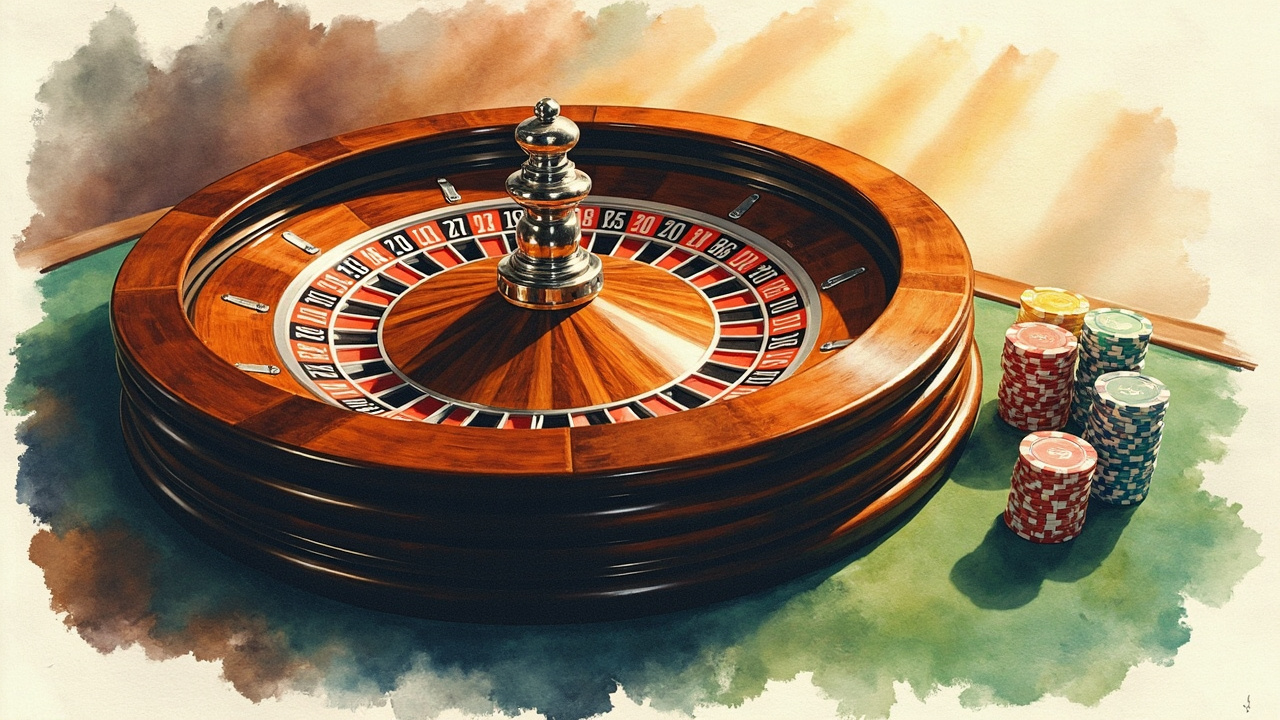
The wheel itself is straightforward enough once you have seen it in motion. A standard American-style double zero table carries both a single zero and a double zero, which pushes the house edge on even-money outside bets higher than the single-zero variant most casual players expect. That difference matters most on the bets that lose to either zero, because the extra pocket is the one that quietly turns a near-even proposition into a slightly longer run for the house.
What I found useful in the conversation was how the expert framed the same maths through a commercial lens. He compared it to the way a supplier evaluates a new table game for an operator: the numbers are not there to scare anyone off, they are there to set expectations before the first chip goes down. If you walk into a session assuming every outside bet is roughly even, you are already misreading the table. The double zero wheel rewards people who pace their bets around the actual layout, not the one they remember from a different casino floor. Zwiesel-shop
If you want a lighter way to test how the extra pocket feels in practice, a free double ball roulette session can show the rhythm of the wheel without any real-money exposure. The point is not to simulate exact odds, but to get comfortable with how the two zero pockets sit in the sequence and how often they interrupt the outside bets you might normally lean on.
| Wheel variant | Zero pockets | Typical house edge on even-money outside bets |
|---|---|---|
| Single zero | 1 | Lower edge on even-money outside bets |
| Double zero | 2 | Higher edge on even-money outside bets |
The table above is deliberately simple because the detail that matters is the pocket count, not a long list of side bets. Once you know which wheel you are sitting at, the rest of the session is mostly about how you choose to work with that edge rather than against it.
Registration, Verification and the First Real Session
The first time you actually fund a double zero table, the process is usually less about the wheel and more about the account setup around it. A sensible operator will ask for eligibility confirmation, a straightforward identity check, and then a first deposit that unlocks the balance you will use at the tables. That sequence is where a lot of players either rush past the fine print or spend too long second-guessing a normal verification step.
The expert kept returning to one practical comparison: he used to advise operators on how to present a new product launch without burying the commercial terms in marketing noise, and he said the same discipline belongs in a first session. If a bonus is attached to your deposit, the wagering shape and the games it applies to should be visible before you commit, not after you have already placed a few bets. That is especially relevant on a double zero table, because a bonus that applies cleanly to the wheel is different from one that only counts on video slots or restricted categories.
A few things are worth checking before the first spin rather than after:
- Confirm the minimum age and the residency rules that apply to the account you are opening.
- Read how the first deposit bonus activates, including any wagering shape that sits on top of the wheel bets.
- Check which payment methods move money in and out, and whether the balance is held in the currency the table actually uses.
- Make sure the verification documents you need are ready before you try to withdraw, so the first session is not interrupted later.
None of that is exotic, but it is the part of the experience that decides whether your first double zero session feels organised or messy. A clean signup flow, a clear bonus condition, and a payment path that matches the table currency are what separate a usable account from one that keeps asking questions at the wrong moment.
Where the Double Zero Table Fits in a Real Operator Strategy
The reason a double zero wheel still has a place in a modern online portfolio is not that it is newer or flashier than everything else on the floor. It is that it serves a different priority: a table that leans into the familiar American-style layout, with the two zero pockets built into the game from the start, can suit players who want that specific rhythm rather than a single-zero variant dressed up as something else. That is a positioning call, not a quality claim, and it is the kind of judgement the expert made repeatedly when he talked about how suppliers should launch a product with its actual strengths front and centre.
He was blunt about one mistake he sees often: operators sometimes market a wheel by implying it is the same experience as a single-zero table, just with a different colour scheme. That is the sort of loose positioning he used to push back on during partnership evaluations, because it creates expectations the maths will not meet. A double zero table is a different product, and the honest commercial move is to present it that way from the start. Players who want the layout for what it is tend to stay longer than players who were sold a different wheel in the first place.
The same thinking applies to how a site builds its wider table offer around the wheel. If the operator is running a double zero variant alongside other roulette options, the sensible approach is to keep the distinction visible rather than blending them into one generic roulette page. That way the player choosing the double zero table is making a real choice about the layout, not stumbling into it by accident. It is a small detail, but it is the kind of thing that shapes whether a table feels like a considered part of the offer or just another tile on the lobby.
You can also see the same principle in how modern game design has broadened what a single session can look like. Payline slots once had a single line; modern video slots can offer hundreds or even thousands of ways to win. Roulette does not work that way, but the broader lesson is the same: the product you are actually playing should be described honestly, because the mechanics under the hood are what decide the experience. A double zero wheel is not a video slot, and it should not be sold as if it were.
One rule that matters on any live or simulated table is that past posting is illegally placing or changing a bet after the outcome is known. That is not a roulette-specific quirk, it is a basic integrity line, and it is worth keeping in mind precisely because a double zero table can feel familiar enough that players relax their attention. The wheel may be simple, but the rules around how bets are placed and settled still apply in full.
If you are comparing where to start, it is worth checking whether the operator you are looking at also runs a sister property that shares the same account setup and support structure. A site such as the pokies net sister casino can be one example of how a broader portfolio keeps the registration and verification path consistent across different products, which matters when you want the first session to feel like one continuous account rather than a fresh start every time.
The final thing worth saying is that a double zero wheel is not a default choice for everyone, and it should not be treated like one. It suits players who want the layout with both zero pockets in place, who are comfortable with the edge that comes with it, and who would rather understand the table before they fund it. That is a narrower appeal than a single-zero variant, but it is a real one, and it is the honest way to position the game. the pokies net sister casino
For an Australian player, the practical move is to treat the double zero table as a specific product with its own maths, its own registration flow, and its own place in the lobby. If the operator presents it clearly, the bonus terms are visible before the first deposit, and the payment path matches the table currency, the session starts on solid ground. If it is buried under generic roulette marketing, you are better off looking elsewhere and saving the first spin for a table that is actually described the way it plays.


